
Portable Oxygen Consenteator Rental vs Purchase
Portable Oxygen Concentrator Rental vs Purchase: Which Option Is Right for You?
Choosing between portable oxygen concentrator rental and purchase depends on your budget, expected duration of use, oxygen therapy requirements, and long-term plans. Both options provide access to portable oxygen equipment, but they differ in upfront costs, maintenance responsibilities, flexibility, and overall expenses. Renting allows you to use a portable oxygen concentrator for an agreed period without paying the full purchase price, while buying gives you ownership of the equipment.
For people who need a portable oxygen concentrator temporarily or for a specific trip, renting may be a convenient option. People who require oxygen therapy over a longer period may consider purchasing after comparing the total costs. The right decision depends on the patient’s prescribed oxygen requirements, expected duration of use, battery needs, service availability, and total cost of ownership. At O2 For Everyone, understanding the differences between rental and purchase options can help you make an informed decision about your portable oxygen equipment requirements.
Compare Your Requirements Before Making a Decision
Before choosing between renting and purchasing a portable oxygen concentrator, consider the patient’s oxygen therapy requirements, expected duration of use, budget, and maintenance needs. Renting may be a practical option for temporary requirements or travel, while purchasing may be more economical for long-term use. Consider these important factors before making your decision:
Duration of Use: Estimate how long the patient will need the portable oxygen concentrator to compare the total rental cost with the purchase price.
Initial Budget: Renting generally requires a lower upfront payment, while purchasing involves a higher initial investment.
Portability and Battery Life: Check the device’s weight, battery runtime, charging options, and suitability for daily activities or travel.
Oxygen Delivery Requirements: Confirm that the device supports the oxygen delivery mode and settings prescribed by the healthcare provider.
Maintenance and Servicing: Check whether servicing, technical support, and replacement equipment are included in the rental plan or covered under the purchase warranty.
Delivery and Accessories: Confirm whether transportation, charging accessories, batteries, carrying bags, and other necessary items are included in the rental or purchase price.
Long-Term Expenses: Compare recurring rental payments with the purchase price, maintenance charges, replacement batteries, and other ongoing expenses.
Ownership and Flexibility: Consider whether you need the equipment temporarily or prefer to own it for ongoing prescribed oxygen therapy.
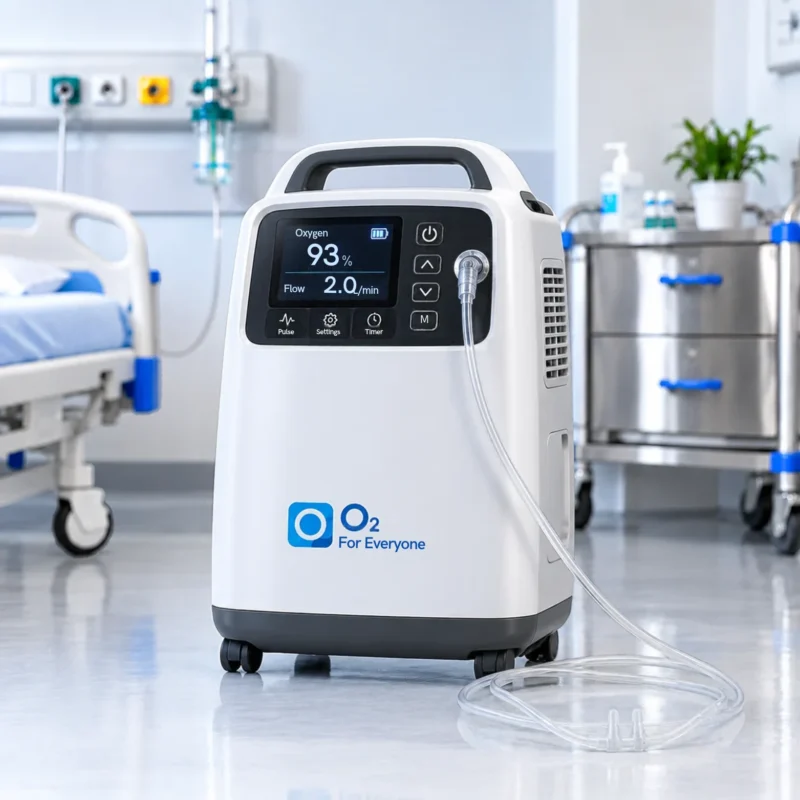
Portable Oxygen Concentrator Rental vs Purchase Comparison Table
The following table compares the key factors to consider before making your decision.
1. Portable Oxygen Concentrator Rental Comparison Table
S.No. | Comparison Factor | Advantages and Details |
|---|---|---|
1 | Initial Investment | Lower upfront payment for temporary equipment use. |
2 | Payment Structure | Daily, weekly, or monthly rental plans may be available. |
3 | Best Suited For | Short-term oxygen therapy needs and temporary travel. |
4 | Maintenance | Maintenance depends on the rental provider’s agreement. |
5 | Servicing Support | Technical support may be included in the rental plan. |
6 | Ownership | The portable oxygen concentrator remains the provider’s property. |
7 | Usage Flexibility | Rental duration may be adjusted according to provider terms. |
8 | Battery and Accessories | Battery, charger, and carrying bag availability may vary. |
9 | Additional Costs | Security deposits, delivery, and accessory charges may apply. |
10 | Long-Term Cost | Repeated rental payments may increase total expenses over time. |
2. Portable Oxygen Concentrator Purchase Comparison Table
S.No. | Comparison Factor | Advantages and Details |
|---|---|---|
1 | Initial Investment | Higher upfront payment to own the equipment. |
2 | Payment Structure | One-time payment or financing options may be available. |
3 | Best Suited For | Long-term prescribed oxygen therapy and regular use. |
4 | Maintenance | Maintenance depends on the warranty and service agreement. |
5 | Servicing Support | Technical support depends on warranty and service coverage. |
6 | Ownership | The portable oxygen concentrator becomes the buyer’s property. |
7 | Usage Flexibility | The equipment remains available for future prescribed use. |
8 | Battery and Accessories | Batteries, chargers, and carrying bags may require separate purchase. |
9 | Additional Costs | Replacement batteries, servicing, and accessory charges may apply. |
10 | Long-Term Cost | Purchasing may reduce expenses compared with extended rental. |
Portable Oxygen Concentrator vs Stationary Oxygen Concentrator
Choosing between portable oxygen concentrator rental and purchase depends on your budget, expected duration of use, oxygen therapy requirements, and long-term plans.
1. Portable Oxygen Concentrator — Rental vs Purchase
S.No. | Comparison Factor | Rental | Purchase |
|---|---|---|---|
1 | Initial Cost | Lower upfront payment for temporary equipment use. | Higher upfront payment to own the equipment. |
2 | Payment Structure | Daily, weekly, or monthly rental plans may be available. | One-time payment or financing options may be available. |
3 | Best Suited For | Short-term oxygen therapy and temporary travel needs. | Long-term prescribed oxygen therapy and regular use. |
4 | Maintenance | Maintenance depends on the rental provider’s agreement. | Maintenance depends on the warranty and service agreement. |
5 | Servicing Support | Technical support may be included in the rental plan. | Technical support depends on warranty and service coverage. |
6 | Ownership | The concentrator remains the rental provider’s property. | The concentrator becomes the buyer’s personal property. |
7 | Usage Flexibility | Rental duration may be adjusted according to provider terms. | The equipment remains available for future prescribed use. |
8 | Battery and Accessories | Battery, charger, and carrying bag availability may vary. | Battery, charger, and carrying bag may require separate purchase. |
9 | Additional Costs | Security deposits, delivery, and accessory charges may apply. | Replacement batteries, servicing, and accessory charges may apply. |
10 | Long-Term Cost | Repeated rental payments may increase total expenses over time. | Purchasing may reduce expenses compared with extended rental. |
2. Stationary Oxygen Concentrator — Rental vs Purchase
S.No. | Comparison Factor | Rental | Purchase |
|---|---|---|---|
1 | Initial Cost | Lower upfront payment for temporary equipment use. | Higher upfront payment to own the equipment. |
2 | Payment Structure | Daily, weekly, or monthly rental plans may be available. | One-time payment or financing options may be available. |
3 | Best Suited For | Short-term oxygen therapy and temporary home-care needs. | Long-term prescribed oxygen therapy and regular home use. |
4 | Maintenance | Maintenance depends on the rental provider’s agreement. | Maintenance depends on the warranty and service agreement. |
5 | Servicing Support | Technical support may be included in the rental plan. | Technical support depends on warranty and service coverage. |
6 | Ownership | The concentrator remains the rental provider’s property. | The concentrator becomes the buyer’s personal property. |
7 | Usage Flexibility | Rental duration may be adjusted according to provider terms. | The equipment remains available for future prescribed use. |
8 | Accessories and Supplies | Tubing, nasal cannulas, and accessories may vary by plan. | Tubing, nasal cannulas, and accessories may require separate purchase. |
9 | Additional Costs | Security deposits, delivery, and accessory charges may apply. | Replacement supplies, servicing, and maintenance charges may apply. |
10 | Long-Term Cost | Repeated rental payments may increase total expenses over time. | Purchasing may reduce expenses compared with extended rental. |
Portable Oxygen Concentrator Rental vs Purchase
Compare portable oxygen concentrator rental and purchase options to understand costs, portability, battery life, maintenance, and long-term value. Contact our team to check availability, pricing, and support to find the right oxygen concentrator for your needs and budget.
Portable Oxygen Concentrator Rental vs Purchase: A Detailed Comparison
Compare portable oxygen concentrator rental and purchase options to understand costs, portability, battery life, maintenance, and long-term value. Contact our team to check availability, pricing, and support to find the right oxygen concentrator for your needs and budget.
1. Understanding Portable Oxygen Concentrator Rental
Renting a portable oxygen concentrator allows you to use the equipment for a specified period without purchasing the device outright. You pay rental charges according to the provider’s terms and return the equipment when it is no longer required.
This option can be useful for temporary oxygen therapy needs, travel, short-term home care, and situations where the expected duration of use is uncertain.
Benefits of Renting a Portable Oxygen Concentrator
Lower upfront expense: Avoid paying the full purchase price at the beginning.
Flexible duration: Rental plans may be available for days, weeks, or months, depending on the provider.
Service support: Maintenance or technical assistance may be included under the rental agreement.
Convenient return: Return the equipment when it is no longer required, subject to the agreed conditions.
Suitable for temporary needs: Renting can be practical when the expected duration of use is limited.
Things to Check Before Renting
Confirm rental charges, security deposits, delivery, battery availability, accessories, maintenance coverage, and return conditions. Check that the device’s oxygen delivery mode and settings meet the patient’s prescribed requirements.
2. Understanding Portable Oxygen Concentrator Purchase
Purchasing a portable oxygen concentrator means paying for the equipment and retaining ownership. It may be appropriate for patients who expect to use the device regularly over an extended period and prefer to own their equipment.
Patients and families with ongoing oxygen therapy needs may prefer ownership after considering the initial cost, battery requirements, maintenance expenses, portability, and servicing support.
Benefits of Purchasing a Portable Oxygen Concentrator
Long-term availability: Keep the equipment available for future prescribed use when required.
No recurring rental fee: Once purchased, you do not pay a rental fee for the owned device.
Greater control over usage: Use the equipment according to prescribed settings and manufacturer guidelines.
Potential long-term value: Ownership may cost less than continuous rental over a sufficiently long period.
Personal ownership: The device remains your property, subject to applicable warranty terms and regulations.
Things to Consider Before Purchasing
Compare the purchase price, battery life, accessories, charging options, warranty, and maintenance costs. Check the device’s oxygen delivery mode, portability, battery replacement availability, and servicing support before making a decision.
Portable Oxygen Concentrator Rental vs Purchase
Compare portable oxygen concentrator rental and purchase options to find the right solution for your oxygen therapy needs and budget.
Portable Oxygen Concentrator Rental
Flexible and convenient for temporary needs
Portable Oxygen Concentrator Purchase
Suitable for long-term equipment ownership
Compare Your Estimated Costs
Compare portable oxygen concentrator rental and purchase costs. Adjust the usage duration, equipment price, rental fee, and additional expenses to estimate your total cost and make an informed decision.
These are estimates based on the values entered, not a supplier quotation. Actual costs depend on the device model, battery options, rental terms, warranty, maintenance, and accessories. Confirm the prescribed oxygen requirements with your healthcare provider before selecting a device.
Rental vs Purchase: Advantages and Disadvantages
1. Portable Oxygen Concentrator Rental — Advantages and Disadvantages
S.No. | Advantages | Disadvantages |
|---|---|---|
1 | Lower Initial Cost: Use the equipment without paying the full purchase price upfront. | Recurring Payments: Rental charges continue throughout the agreed rental period. |
2 | Flexible Duration: Choose a rental period based on your temporary oxygen therapy needs. | Limited Ownership: The equipment remains the rental provider’s property. |
3 | Service Support: Maintenance or technical assistance may be included in the rental agreement. | Service Limitations: Repairs and servicing depend on the provider’s rental terms. |
4 | Convenient for Travel: Renting may be practical for temporary trips when a suitable device is available. | Additional Charges: Delivery, deposits, accessories, or other fees may apply. |
5 | Suitable for Short-Term Use: Renting can help manage temporary equipment requirements. | Higher Long-Term Expense: Extended rental payments may exceed the purchase cost. |
2. Portable Oxygen Concentrator Purchase — Advantages and Disadvantages
S.No. | Advantages | Disadvantages |
|---|---|---|
1 | Long-Term Availability: Keep the equipment available for ongoing prescribed oxygen therapy. | Higher Initial Cost: Pay a larger upfront amount to purchase the equipment. |
2 | No Rental Payments: Avoid recurring rental charges after purchasing the device. | Ownership Expenses: You remain responsible for applicable maintenance costs. |
3 | Warranty Support: Warranty coverage may help with eligible repairs and technical issues. | Service Limitations: Repairs depend on warranty coverage and service conditions. |
4 | Convenient for Regular Use: Keep a suitable device available for prescribed daily activities. | Additional Charges: Replacement batteries, accessories, and servicing may cost extra. |
5 | Potential Long-Term Savings: Purchasing may be economical when the device is needed for an extended period. | Less Suitable for Temporary Use: Buying may cost more when equipment is needed briefly. |
Frequently Asked Questions
1. What is the difference between portable oxygen concentrator rental and purchase?
Renting allows you to use a portable oxygen concentrator for a specified period by paying rental charges. Purchasing means paying for the device and retaining ownership for long-term use.
2. Is it better to rent or buy a portable oxygen concentrator?
Renting may be suitable for temporary needs or travel, while purchasing may be practical for long-term use. The best option depends on your budget, treatment duration, and healthcare provider’s recommendation.
3. What is the rental cost of a portable oxygen concentrator?
Rental costs depend on the device model, rental duration, supplier, and included services. Contact the provider to confirm current rental prices, deposits, and additional charges.
4. What is the purchase price of a portable oxygen concentrator?
The purchase price varies according to the brand, model, oxygen delivery settings, battery capacity, and included accessories. Request a quotation to compare available options.
5. Can I rent a portable oxygen concentrator for home use?
Yes, portable oxygen concentrators may be available for home use through medical equipment rental providers. Confirm availability and ensure the device meets your prescribed oxygen therapy requirements.
6. Can I rent a portable oxygen concentrator for travel?
Some providers offer portable oxygen concentrators for temporary travel needs. Check battery runtime, charging options, rental duration, and airline requirements before travelling.
7. What are the benefits of renting a portable oxygen concentrator?
Benefits may include lower upfront costs, flexible rental periods, and the ability to return the device when it is no longer required. Maintenance support may also be included in the rental agreement.
8. What are the disadvantages of renting a portable oxygen concentrator?
Rental disadvantages may include recurring payments, limited ownership, and additional charges for delivery, deposits, or accessories. Service coverage also depends on the rental provider’s terms.
9. What are the advantages of purchasing a portable oxygen concentrator?
Purchasing provides ownership and convenient access to the equipment for ongoing prescribed use. It may also offer better long-term value when compared with extended rental expenses.
10. What are the disadvantages of buying a portable oxygen concentrator?
Buying requires a higher initial investment. You may also need to pay for maintenance, replacement batteries, accessories, and servicing that are not covered by the warranty.
11. Which portable oxygen concentrator is best for home use?
The right device depends on the patient’s prescribed oxygen delivery mode, required settings, portability needs, and battery requirements. Consult a healthcare provider before selecting a model.
12. How long can a portable oxygen concentrator run on its battery?
Battery runtime varies by device model, battery capacity, prescribed settings, and usage conditions. Check the manufacturer’s specifications and consider whether spare batteries or charging options are needed.
13. Is maintenance included in portable oxygen concentrator rental?
Maintenance may be included, depending on the rental agreement. Confirm whether servicing, repairs, technical support, and replacement equipment are covered before booking.
14. Does a purchased portable oxygen concentrator come with a warranty?
Warranty coverage depends on the manufacturer, seller, and device model. Check the warranty period, covered components, exclusions, and authorised service availability before purchasing.
15. What additional costs should I consider when renting a portable oxygen concentrator?
Additional expenses may include security deposits, delivery, accessories, battery charges, and servicing fees. Request a complete cost breakdown before confirming your rental.
16. What additional expenses are involved in purchasing a portable oxygen concentrator?
Potential expenses include replacement batteries, chargers, carrying bags, maintenance, and servicing. The total cost depends on the equipment model and its ongoing requirements.
17. Can I switch from renting to purchasing a portable oxygen concentrator?
Some suppliers may allow customers to switch from rental to purchase. Ask whether a rental-to-purchase option is available and whether previous rental payments can be adjusted against the purchase price.
18. Is a portable oxygen concentrator suitable for continuous oxygen therapy?
Suitability depends on the specific device’s capabilities and the patient’s prescribed oxygen requirements. Some portable devices provide pulse-dose delivery, while others may support continuous flow. Consult your healthcare provider before choosing a device.
19. How do I compare portable oxygen concentrator rental and purchase costs?
Compare the total rental payments over your expected usage period with the purchase price, maintenance expenses, accessories, and battery replacement costs. A cost calculator can help estimate the difference.
20. How can I book a portable oxygen concentrator for rental or purchase?
Contact O2 For Everyone to enquire about available models, rental plans, purchase prices, and servicing support. Confirm the device’s suitability, total charges, delivery arrangements, and applicable terms before placing your order.