
BiPAP/CPAP Rental vs Purchase
BiPAP/CPAP Rental vs Purchase: Which Option Is Right for You?
Choosing between BiPAP/CPAP machine rental and purchase depends on your treatment requirements, budget, expected duration of use, and long-term needs. Both options allow you to access respiratory support equipment, but they differ in upfront costs, maintenance responsibilities, flexibility, and ownership. Renting may be suitable for temporary requirements or when you want to evaluate equipment under medical guidance, while purchasing may be worth considering for ongoing prescribed therapy.
CPAP (Continuous Positive Airway Pressure) machines provide a continuous level of positive airway pressure, while BiPAP (Bilevel Positive Airway Pressure) machines provide different pressure levels during inhalation and exhalation. The appropriate machine depends on your diagnosis and the recommendations of your healthcare professional.
At O2 For Everyone, understanding the differences between renting and purchasing respiratory equipment can help you compare available options and make an informed decision.
Compare Your Requirements Before Making a Decision
Before choosing between BiPAP/CPAP rental and purchase, consider your prescribed therapy, expected duration of use, budget, maintenance requirements, and equipment availability. Renting may reduce the initial financial commitment, whereas purchasing provides ownership of the machine. Consider these important factors before making your decision:
Duration of Use: Estimate how long you expect to need the machine and compare the total rental expenses with the purchase price.
Initial Budget: Rental generally involves a lower upfront payment, while purchasing requires a higher initial investment.
Machine Type: CPAP and BiPAP machines serve different therapeutic purposes. Choose the machine prescribed by your healthcare professional.
Maintenance and Servicing: Check whether servicing, technical assistance, repairs, and replacement equipment are included in the rental agreement or purchase warranty.
Accessories and Supplies: Consider the mask, tubing, filters, humidifier, and other compatible accessories that may be required.
Portability and Usage: Consider where the equipment will be used, how frequently it will operate, and whether its size and features suit your needs.
Availability and Support: Confirm product availability, delivery arrangements, setup assistance, and after-sales support before booking or purchasing.
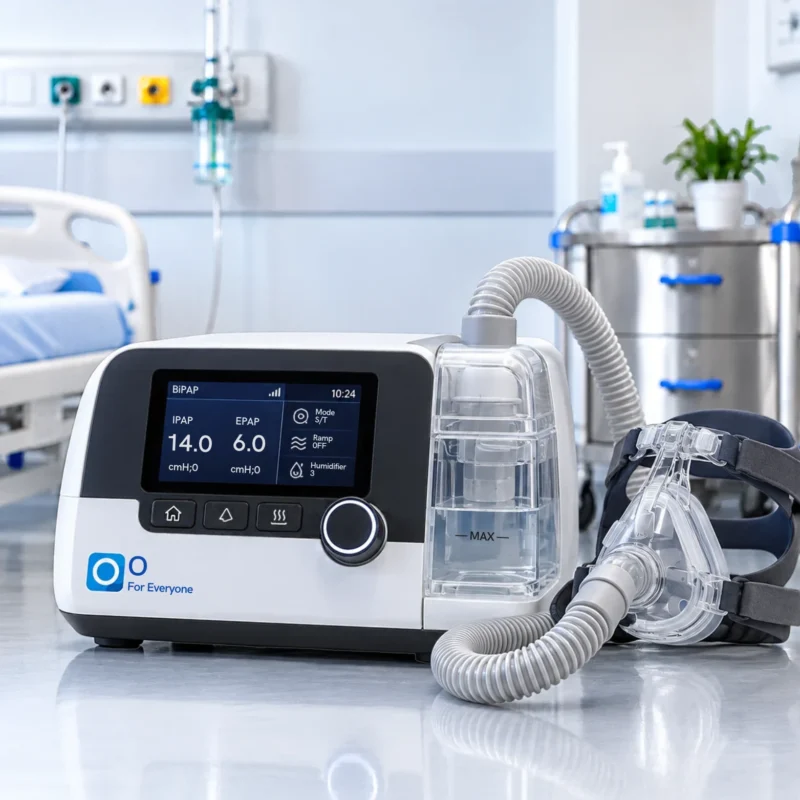
BiPAP/CPAP Rental vs Purchase Comparison Table
The following table compares the key factors to consider before making your decision.
1. BiPAP/CPAP Rental Comparison Table
S.No. | Comparison Factor | Advantages and Details |
|---|---|---|
1 | Initial Cost | Lower upfront cost compared with purchasing the machine. |
2 | Payment Method | Weekly or monthly rental payments may be available. |
3 | Best Suited For | Temporary use and uncertain treatment duration. |
4 | Maintenance | Maintenance depends on the rental agreement. |
5 | Servicing Support | Repairs and technical support may be included. |
6 | Ownership | The machine remains the rental provider’s property. |
7 | Usage Flexibility | Rental duration may be adjusted under provider terms. |
8 | Accessories | Masks, tubing, and filters may cost extra. |
9 | Additional Costs | Deposit, delivery, and service charges may apply. |
10 | Long-Term Cost | Repeated rental payments increase the overall expense. |
2. BiPAP/CPAP Purchase Comparison Table
S.No. | Comparison Factor | Advantages and Details |
|---|---|---|
1 | Initial Cost | Higher upfront cost compared with renting the machine. |
2 | Payment Method | One-time payment or financing may be available. |
3 | Best Suited For | Ongoing use and long-term prescribed therapy. |
4 | Maintenance | Maintenance depends on warranty and service terms. |
5 | Servicing Support | Repairs and technical support depend on coverage. |
6 | Ownership | The machine becomes the buyer’s personal property. |
7 | Usage Flexibility | The machine remains available for future prescribed use. |
8 | Accessories | Masks, tubing, and filters may require replacement. |
9 | Additional Costs | Delivery, supplies, and service charges may apply. |
10 | Long-Term Cost | Ownership may reduce costs over extended use. |
Rental vs Purchase: BiPAP Machine vs CPAP Machine Comparison
Choosing between renting and purchasing a BiPAP or CPAP machine depends on your treatment needs, expected duration of use, and budget. Renting may be suitable for short-term requirements, while purchasing can be a practical option for long-term prescribed therapy.
1. BiPAP Machine — Rental vs Purchase
S.No. | Comparison Factor | Rental | Purchase |
|---|---|---|---|
1 | Initial Investment | Lower upfront payment for temporary use. | Higher upfront payment to own the machine. |
2 | Payment Structure | Daily, weekly, or monthly rental plans. | One-time payment for purchasing the machine. |
3 | Best Suited For | Short-term therapy and temporary home care. | Long-term prescribed therapy and ongoing home care. |
4 | Maintenance | Depends on the rental provider’s maintenance terms. | Depends on the warranty and maintenance plan. |
5 | Servicing Support | May include repairs and technical support. | Depends on warranty coverage and service availability. |
6 | Ownership | The machine remains the provider’s property. | The machine becomes the buyer’s property. |
7 | Usage Flexibility | Rental duration can be adjusted as per provider terms. | The machine remains available for future prescribed use. |
8 | Accessories | Masks, tubing, and filters may cost extra. | Masks, tubing, and filters may need separate purchase. |
9 | Additional Costs | Deposit, delivery, and rental charges may apply. | Delivery, supplies, and servicing charges may apply. |
10 | Long-Term Cost | Repeated rental payments can increase total costs. | May be more economical for long-term use. |
2. CPAP Machine — Rental vs Purchase
S.No. | Comparison Factor | Rental | Purchase |
|---|---|---|---|
1 | Initial Investment | Lower upfront payment for temporary use. | Higher upfront payment to own the machine. |
2 | Payment Structure | Daily, weekly, or monthly rental plans. | One-time payment for purchasing the machine. |
3 | Best Suited For | Short-term therapy and temporary home care. | Long-term prescribed therapy and ongoing home care. |
4 | Maintenance | Depends on the rental provider’s maintenance terms. | Depends on the warranty and maintenance plan. |
5 | Servicing Support | May include repairs and technical support. | Depends on warranty coverage and service availability. |
6 | Ownership | The machine remains the provider’s property. | The machine becomes the buyer’s property. |
7 | Usage Flexibility | Rental duration can be adjusted as per provider terms. | The machine remains available for future prescribed use. |
8 | Accessories | Masks, tubing, and filters may cost extra. | Masks, tubing, and filters may need separate purchase. |
9 | Additional Costs | Deposit, delivery, and rental charges may apply. | Delivery, supplies, and servicing charges may apply. |
10 | Long-Term Cost | Repeated rental payments can increase total costs. | May be more economical for long-term use. |
Rental vs Purchase: BiPAP Machine vs CPAP Machine Comparison
Compare BiPAP and CPAP machine rental and purchase options to understand costs, maintenance, features, and long-term value. Contact our team to check availability, pricing, and support to find the right respiratory care equipment for your needs and budget.
BiPAP/CPAP Machine Rental vs Purchase: A Detailed Comparison
Compare BiPAP/CPAP machine rental and purchase options to understand the costs, maintenance, and benefits of each choice. Choose the right option based on your treatment duration, budget, and healthcare provider’s recommendation.
1. Understanding BiPAP/CPAP Rental
BiPAP/CPAP machine rental allows you to use respiratory support equipment for a specified period without purchasing the machine outright. You pay rental charges according to the provider’s terms and return the equipment when it is no longer required.
This option can be useful for temporary home care, short-term respiratory support, or situations where the duration of prescribed therapy is uncertain.
Benefits of Renting a BiPAP/CPAP Machine
Lower upfront expense: Avoid paying the full purchase price at the beginning.
Flexible duration: Rental plans may be available for days, weeks, or months, depending on the provider.
Service support: Maintenance or technical assistance may be included under the rental agreement.
Convenient return: Return the machine when it is no longer required, subject to the agreed conditions.
Suitable for temporary needs: Renting can be practical when the expected duration of use is limited.
Things to Check Before Renting
Confirm rental charges, security deposit, delivery, installation, accessories, maintenance coverage, and return conditions. Check whether the machine includes the required settings and whether masks, tubing, filters, and servicing are included in the rental plan. Always follow your healthcare provider’s recommendations regarding equipment selection and settings.
2. Understanding BiPAP/CPAP Purchase
Purchasing a BiPAP/CPAP machine means paying for the equipment and retaining ownership. It may be appropriate for patients who expect to use the machine regularly over an extended period and prefer to own their respiratory support equipment.
Home-care users with ongoing therapy needs may prefer ownership after considering the initial cost, maintenance requirements, available space, accessories, and servicing support.
Benefits of Purchasing a BiPAP/CPAP Machine
Long-term availability: Keep the machine available for future prescribed use when required.
No recurring rental fee: Once purchased, you do not pay a rental fee for the owned machine.
Greater control over usage: Use the equipment as needed within the prescribed treatment plan.
Potential long-term value: Ownership may cost less than continuous rental over a sufficiently long period.
Asset ownership: The machine remains your property, subject to applicable warranty and purchase terms.
Things to Consider Before Purchasing
Compare the purchase price, accessories, delivery, warranty, and maintenance costs. Check the machine’s features, prescribed pressure settings, compatibility with masks and tubing, replacement supply costs, and availability of authorised servicing. Consider the total long-term expense before deciding whether purchasing is more suitable than renting.
BiPAP Machine Rental vs Purchase
Compare BiPAP machine rental and purchase options to find the right solution for your home respiratory care needs.
BiPAP Machine Rental
Flexible and convenient for temporary needs
Ask about available rental plans
Confirm applicable deposit conditions
Confirm repair and service coverage
Return the machine after use
BiPAP Machine Purchase
Suitable for long-term equipment ownership
Request a current quotation
No rental payments after purchase
Check service costs and coverage
Keep it for future prescribed use
Compare Your Estimated Costs
Compare BiPAP and CPAP machine rental and purchase costs. Adjust the machine type, usage duration, and additional expenses to estimate your total cost and make an informed decision.
Rental cost includes the estimated rental fee and additional charges.
Purchase price plus entered maintenance and accessory costs.
Note: These calculations are estimates, not quotations. Actual rental rates, deposits, accessories, maintenance and billing policies depend on the equipment provider.
Rental vs Purchase: Advantages and Disadvantages
1. BiPAP/CPAP Machine Rental — Advantages and Disadvantages
S.No. | Advantages | Disadvantages |
|---|---|---|
1 | Lower Initial Cost: Use the machine without paying the full purchase price upfront. | Recurring Payments: Rental charges continue for the duration of the rental period. |
2 | Flexible Duration: Choose a rental period based on your temporary equipment needs. | Limited Ownership: The machine remains the rental provider’s property. |
3 | Service Support: Maintenance or technical assistance may be included in the rental agreement. | Service Limitations: Repairs and maintenance depend on the provider’s rental terms. |
4 | Convenient Return: Return the machine when it is no longer required, subject to the agreement. | Additional Charges: Deposits, delivery, accessories, or other fees may apply. |
5 | Suitable for Short-Term Use: Renting can help manage temporary respiratory care requirements. | Higher Long-Term Expense: Extended rental payments may exceed the purchase cost. |
2. BiPAP/CPAP Machine Purchase — Advantages and Disadvantages
S.No. | Advantages | Disadvantages |
|---|---|---|
1 | Long-Term Availability: Keep the machine available for ongoing prescribed therapy. | Higher Initial Cost: Pay the purchase price upfront or through available financing. |
2 | No Rental Payments: Avoid recurring rental charges after purchasing the machine. | Full Ownership Costs: You are responsible for applicable maintenance expenses. |
3 | Personal Ownership: Keep the machine as your property after purchase. | Maintenance Responsibility: Repairs and servicing may involve additional costs. |
4 | Flexible Access: Use the machine when needed according to prescribed treatment. | Additional Expenses: Accessories, replacement supplies, and servicing may cost extra. |
5 | Potential Long-Term Savings: Purchasing may be economical for extended use. | Less Suitable for Temporary Use: Buying may be costly when equipment is needed briefly. |
Frequently Asked Questions
1. What is the difference between BiPAP/CPAP machine rental and purchase?
Renting a BiPAP/CPAP machine allows you to use the equipment for a specified period by paying rental charges. Purchasing means paying for the machine and retaining ownership for long-term use.
2. Is it better to rent or buy a BiPAP/CPAP machine?
Renting may be suitable for short-term needs, while purchasing may be more economical for long-term use. The right option depends on your budget, treatment duration, and healthcare provider’s recommendation.
3. What is the cost of renting a BiPAP/CPAP machine?
The rental cost depends on the machine model, rental duration, provider, and included services. Contact the equipment provider to confirm current rental rates and any additional charges.
4. What is the price of purchasing a BiPAP/CPAP machine?
The purchase price varies according to the brand, model, features, and accessories. Request a quotation from the supplier to compare the total purchase cost with rental expenses.
5. Can I rent a BiPAP machine for home use?
Yes, BiPAP machines may be available for home use through medical equipment rental providers. Confirm availability, delivery, servicing, and suitability for your prescribed treatment before renting.
6. Can I rent a CPAP machine for temporary use?
Yes, some medical equipment providers offer CPAP machines on a rental basis. Rental availability, minimum duration, and charges depend on the provider’s policies.
7. Which is more affordable: BiPAP/CPAP rental or purchase?
Rental generally requires less upfront payment, whereas purchasing requires a higher initial investment. For extended use, compare the cumulative rental charges with the purchase price and ongoing maintenance expenses.
8. What are the advantages of renting a BiPAP/CPAP machine?
The main advantages include lower initial expenses, flexible rental durations, and the option to return the equipment when it is no longer needed. Maintenance support may also be available under the rental agreement.
9. What are the disadvantages of renting a BiPAP/CPAP machine?
Potential disadvantages include recurring rental payments, limited ownership, and additional charges for deposits, accessories, or delivery. Service coverage and return conditions may also vary by provider.
10. What are the benefits of purchasing a BiPAP/CPAP machine?
Purchasing provides ownership and convenient access to the equipment for ongoing prescribed therapy. It may also reduce overall expenses compared with extended rental, depending on the purchase price and maintenance costs.
11. What are the disadvantages of buying a BiPAP/CPAP machine?
Buying requires a higher upfront investment and makes the owner responsible for applicable maintenance, servicing, and replacement accessories. It may be less economical if the machine is needed only temporarily.
12. Are maintenance and servicing included in BiPAP/CPAP machine rental?
Maintenance and servicing depend on the rental provider’s agreement. Before renting, confirm whether repairs, technical support, replacement equipment, and routine servicing are included in the rental fee.
13. Does purchasing a BiPAP/CPAP machine include a warranty?
Warranty coverage depends on the manufacturer, model, seller, and purchase terms. Check the warranty period, covered components, exclusions, and availability of authorised service before purchasing.
14. What additional costs should I consider when renting a BiPAP/CPAP machine?
Additional expenses may include a security deposit, delivery, installation, masks, tubing, filters, and servicing charges. Ask the provider for a complete breakdown of the rental costs before confirming your booking.
15. What additional expenses are involved in purchasing a BiPAP/CPAP machine?
Apart from the purchase price, you may need to budget for accessories, replacement supplies, maintenance, and servicing after the warranty period. The exact expenses depend on the equipment and its usage requirements.
16. Can I rent a BiPAP/CPAP machine for a few days or weeks?
Some providers offer short-term rental plans, but minimum rental periods vary. Contact the supplier to confirm available durations, applicable charges, and return conditions.
17. Is buying a BiPAP/CPAP machine worth it for long-term use?
Purchasing may provide better long-term value when the machine is required regularly. Compare the total rental cost over the expected treatment period with the purchase price and ongoing ownership expenses.
18. How do I choose the right BiPAP/CPAP machine for home use?
The choice depends on your medical condition, prescribed therapy, pressure requirements, comfort, and equipment features. Consult your healthcare provider before selecting a machine, and compare available models with an authorised supplier.
19. Can I switch from renting to purchasing a BiPAP/CPAP machine?
You may be able to switch from rental to purchase, depending on the provider’s policies. Ask whether a rental-to-purchase option is available and whether previous rental payments can be credited toward the purchase price.
20. How can I compare BiPAP/CPAP machine rental and purchase options?
Compare the upfront cost, rental duration, recurring charges, maintenance, warranty, accessories, and ownership benefits. Request a detailed quotation and choose the option that suits your budget and prescribed treatment requirements.